Sale!
Rod End Bushings, Tuner Pedals, Anti Vibration Gloves,
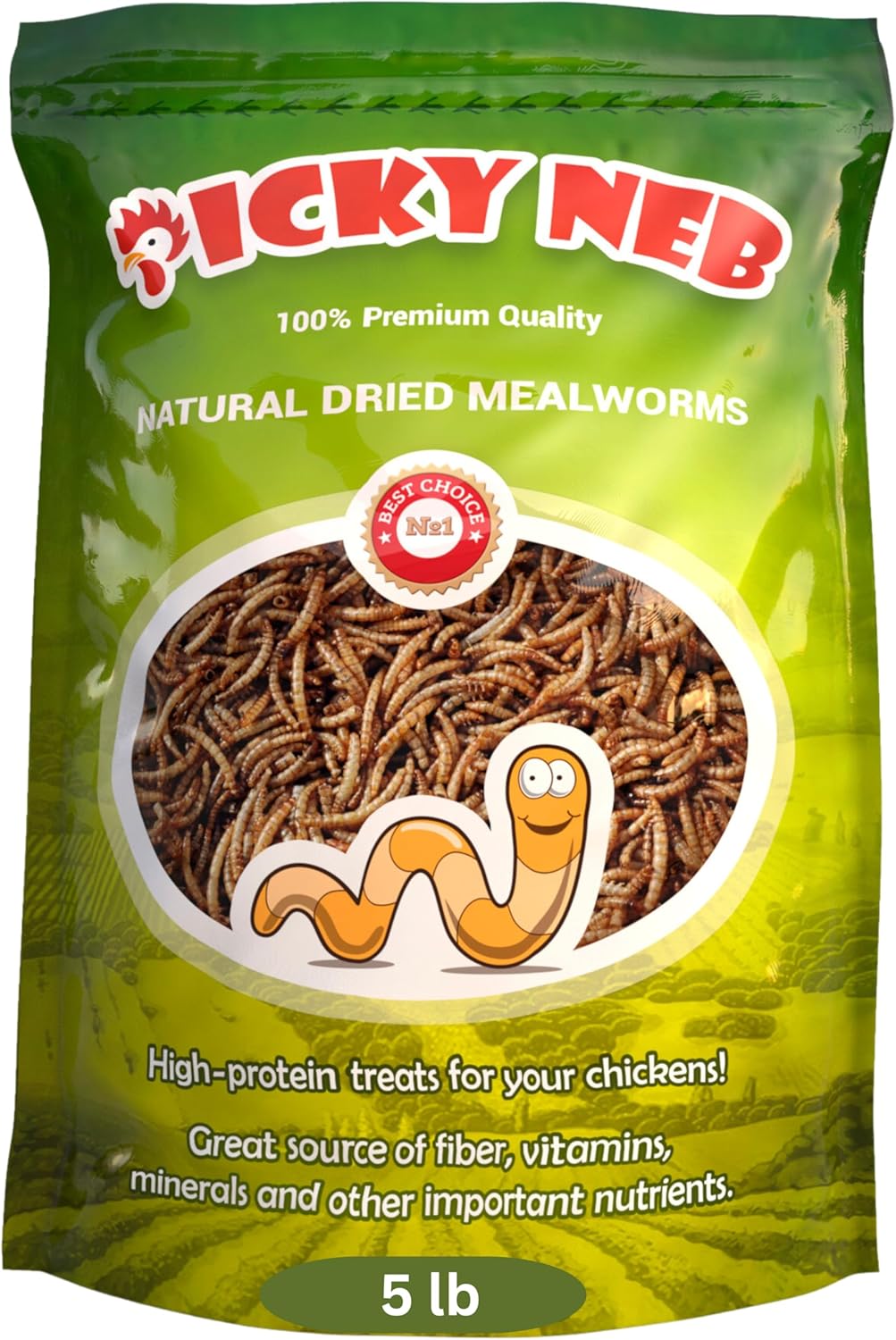
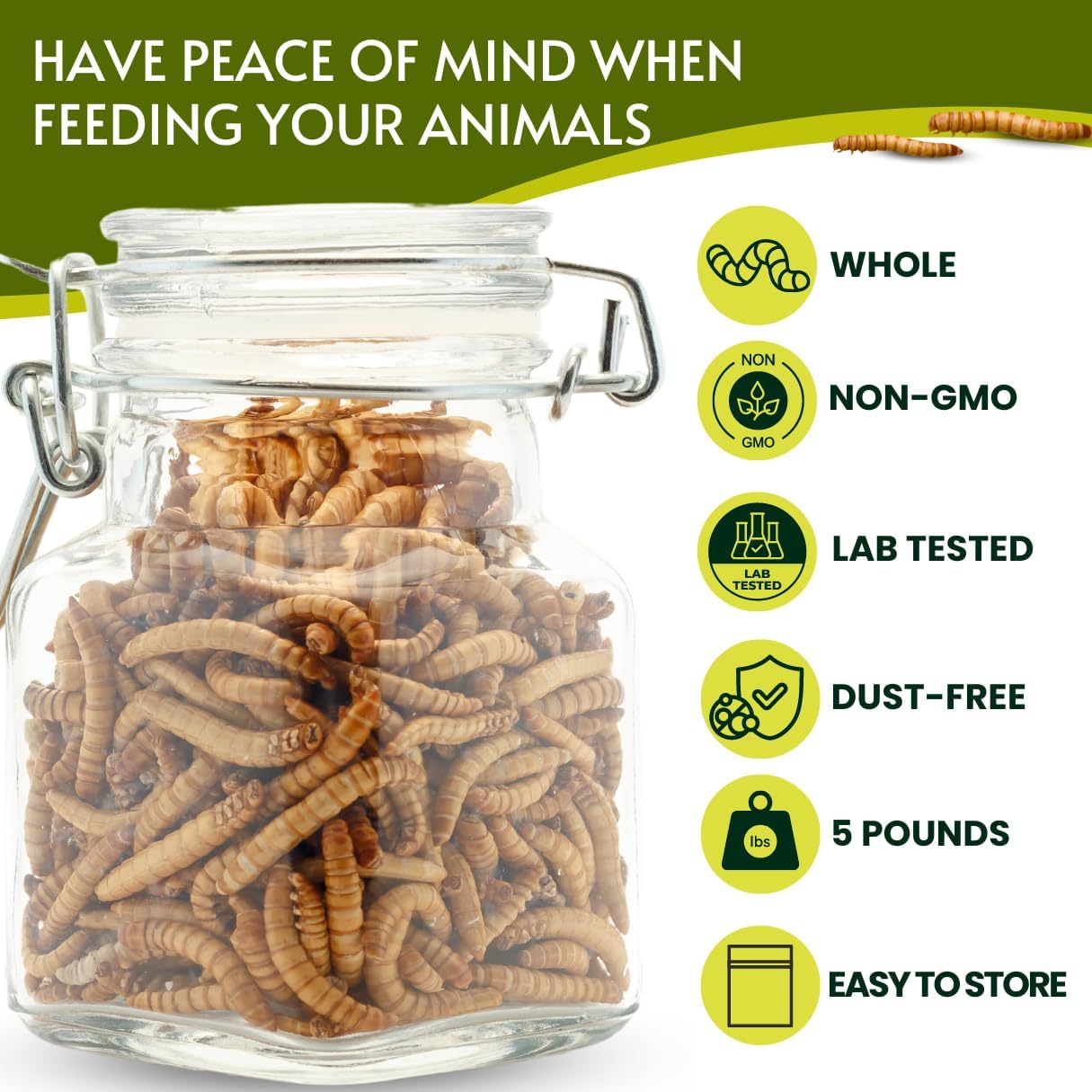
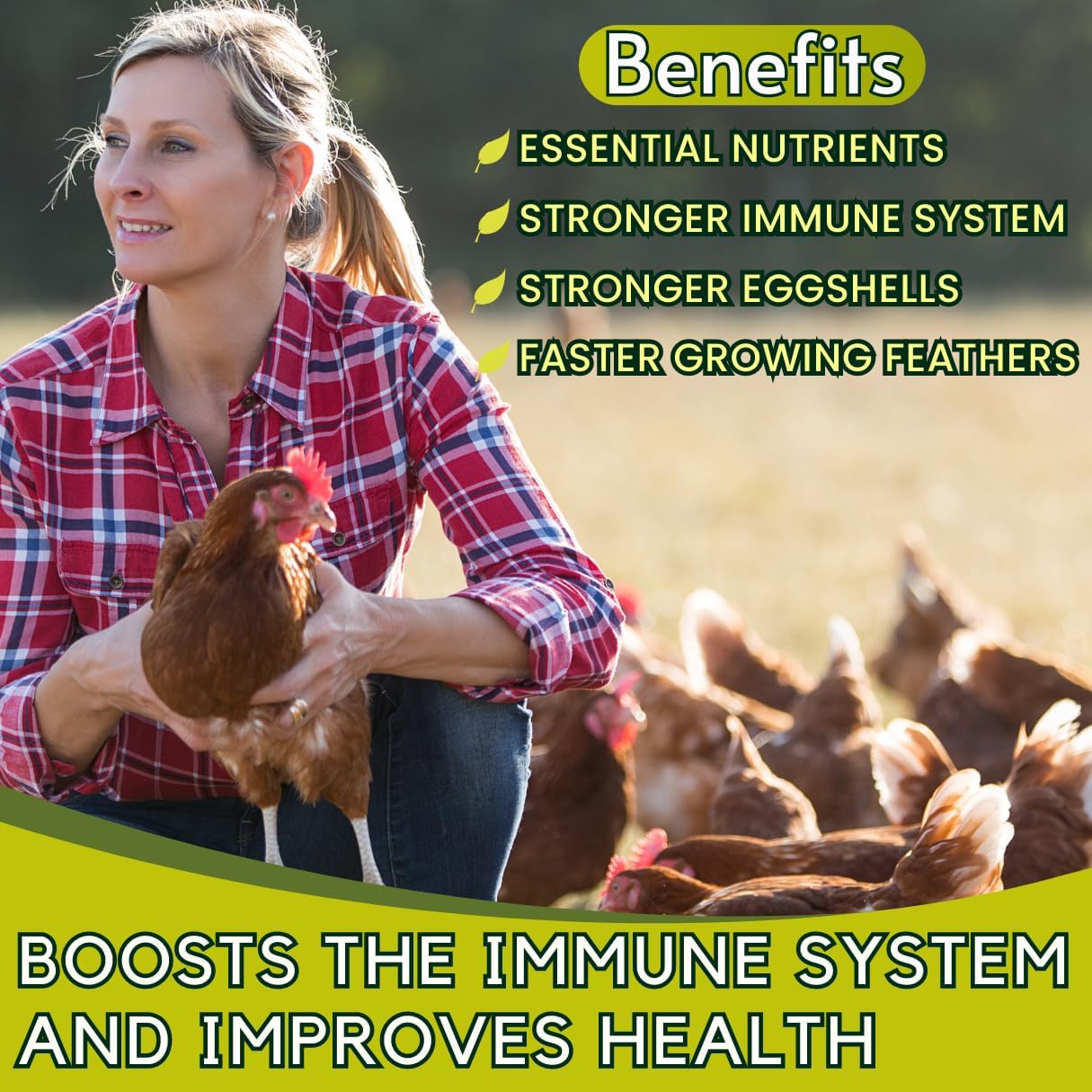
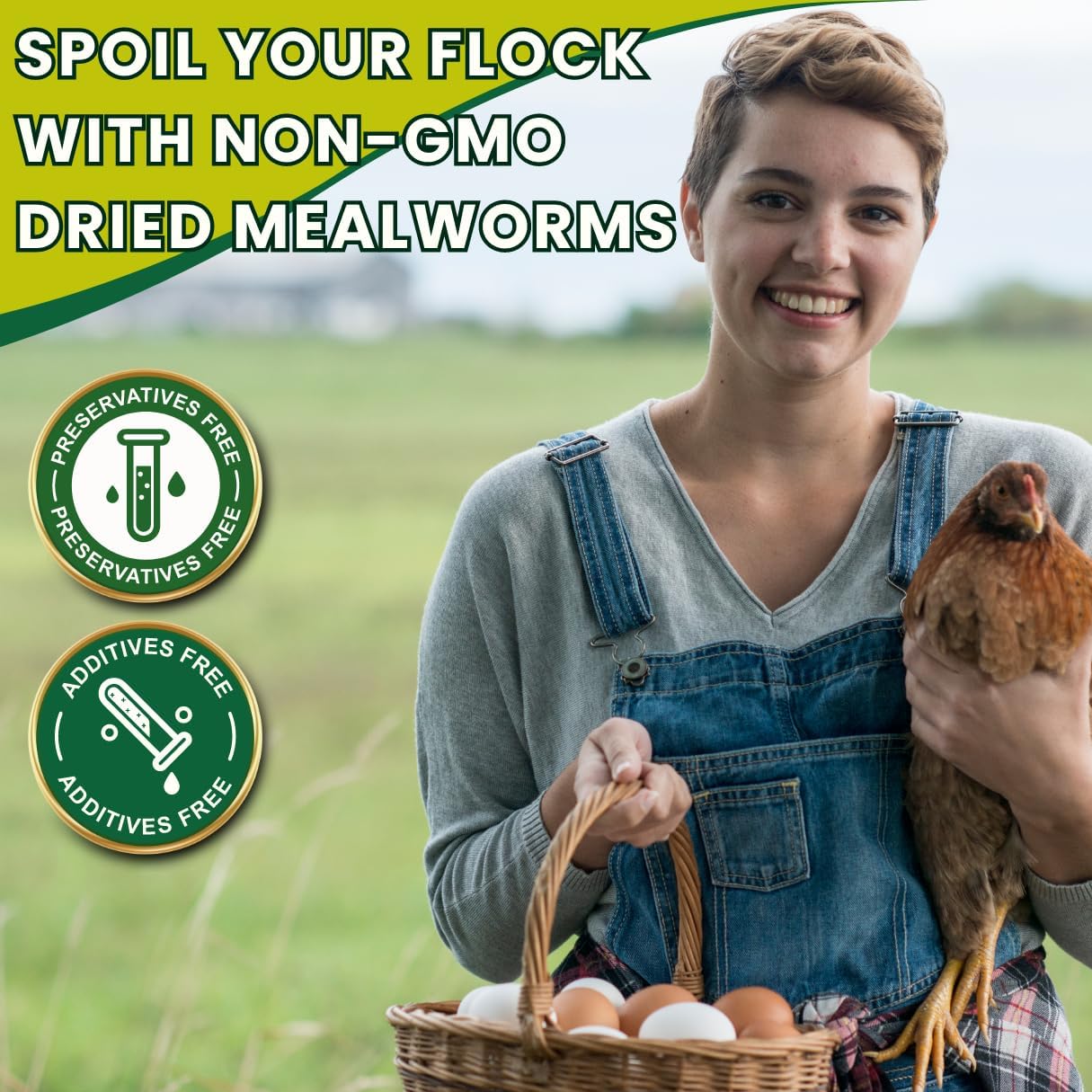
100% Non-GMO Dried Mealworms 5 lb – Whole Large Meal Worms Bulk – High-Protein Treats Perfect for Your Chickens, Ducks, Wild Birds\
$ 14.51
I give Picky Neb dried mealworms my highest rating and endorsement. I have purchased these mealworms several times over the past couple of years and I can say adding them to my feeding stations has definitely increased the number and variety of birds that visit my yard. This is especially true in the winter and spring, during migration and breeding seasons.I live in west central Florida, north of Tampa. I have fed birds in my yard for many years. Previously I was feeding a variety of seeds, with a base of black oil sunflower seeds and blend in some assortment of striped sunflower seeds, safflower seeds, millet, milo, peanuts, cracked corn and suet pellets (depending on what’s available in local stores). Of course, I also offer watering stations. I add suet feeders and offer a variety of dried fruits, more types of nuts, sliced fresh fruit and jelly in the winter and in breeding season. I add Niger seed when the goldfinches migrate through the area.Year-round this brings me what I call “the usual suspects” – mostly cardinals, tufted titmouses, house finches, mocking birds, red bellied woodpeckers, mourning doves and ground doves, plus a few species of resident LBBs (“Little Brown Birds”) – some mix of wrens, warblers, sparrows, finches and other small birds that can be hard to distinguish from one another when they’re flitting around in the trees).I noticed that I had eastern bluebirds in my area. I would see them hunting for insects in a large, open retention area behind my house, but never saw them at my feeders even if I added dried fruits. I wasn’t sure about using dried mealworms because some people report that birds often aren’t interested in the dried mealworms and I wasn’t interested in dealing with the live mealworms.Last year I decided to try the dried mealworms. I added them into a mix of seeds, fruits, nuts and suet pellets in a hanging platform feeder and also set up a separate hanging feeder just for mealworms. Since adding the mealworms I have noticed a significant increase in the number and variety of birds that come to my feeders. For instance:- Bluebirds: Within a day or so of adding the mealworms, the bluebirds began coming to both the platform feeder and the mealworm-only feeder. I have at least 2-3 pairs coming to the feeders this year (2018). I uploaded a picture of one of the bluebirds on the mealworm-only feeder.- Woodpeckers: I commonly see red-bellied woodpeckers year-round, but only rarely would see other woodpeckers and then usually only on the trees in my yard, infrequently on the feeders. However, especially in the spring I now will see red-headed, red cockaded, downy and possibly hairy woodpeckers and flickers both in the trees and on the feeders.- Mocking birds and blue jays seems to visit more often. I have seen both on the mealworm-only feeder.- Other Species: I have noticed a greater number of indigenous and migratory species visiting the yard and feeders. This includes small flocks of starlings, robins, finches, wrens, warblers, thrushes, sparrows and it seems like an even greater variety of LBBs. I believe I’ve seen juncos, towhees, and siskins. Some days my entire backyard is filled with chirping bird sounds and small clouds of birds flittering about. Some certainly come for the seed, but I see a lot of them visiting the platform feeder and the mealworm-only feeder as well.- I see more of the “usual suspects” as well (cardinals, tufted titmouse, doves, etc.).- Squirrels will eat them, too. Not exactly a plus, since squirrels seem to eat about anything, but they come with the bird feeding territory.Every bag of Picky Neb mealworms I’ve purchased have seemed, clean, fresh and well-dried. They have a pleasant, earthy, roasted smell. They’ve always arrived quickly. I find the cost to be effective and as good as or often better than what I can find in local big box stores or feed supply stores.It’s also nice to have them “always available,” as I’ve gone to stores sometimes and they’ve been out of mealworms.Having a choice of sizes is also a plus. I’ve found that local stores usually offer very small packages at very high prices. Even feed stores that sell larger bags for feeding farm birds don’t offer as much variety for better prices, at least in my area. I started out buying 2 pound bags of Picky Neb last year and have upsized this year to the 5-pound bags. However, the rate at which the birds devour them during the winter and spring may mean I’ll have to go up to 10 pound bags during those seasons in the future. I estimate that the birds go through 2-3 cups of mealworms per day during the winter and spring /migration/ breeding seasons. In the summer and fall I have far fewer birds come to my yard and therefore use a lot less.Clearly the trick to maximizing birds in your yard is offering as wide a variety of feed as you can. I can say from experimentation and experience that adding the dried mealworms has definitely made a significant difference even over offering a wide variety of seeds, nuts and fruits. [...]
Brand
coworkinglarochelle
Related products
-
Sale!
-
Sale!
-
Sale!
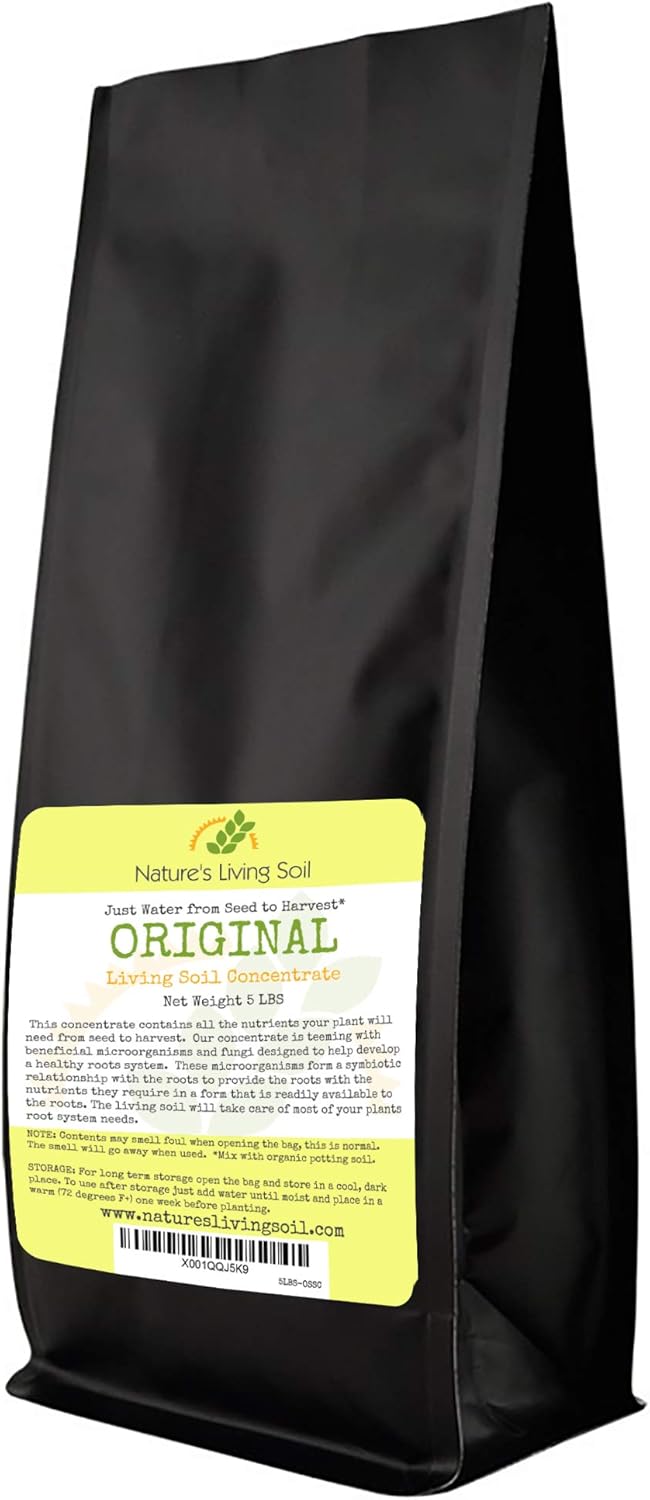 ‘Super Soil Organic Concentrate $ 19.44
 -
Sale!